How to Make the Most of a 6-Day Trip in Cusco

Cusco city tours

Introduction

The Tours in cusco including the Inca Trail Trek is one of the most iconic tours and trekking adventures in the Peru. Located in the heart of the Cusco region in Peru, this tours and trek offers breathtaking views of the seven wonder of the worls, Machu Picchu, and an immersive experience into the rich Sacred Valley.

Overview of The tours and the Inca Trail Trek

  • Location: The tours begins in the Cusco’s Airport, and takes you through the cusco city and Sacred Valley to the Inca trail and Machupicchu.
  • Duration: The typical duration for the tours and hikins is 7-8 days, allowing for proper acclimatization.
  • Difficulty: The Inca Trail trek is rated as moderate to challenging, primarily due to the high altitude and the length of the trek.
  • Highlights:
    • Stunning views of Machu Picchu and surrounding inca sites.
    • Exploring local people villages and experiencing their culture.
    • Visiting old Inca sites, including the famous Inca site of Machupicchu.
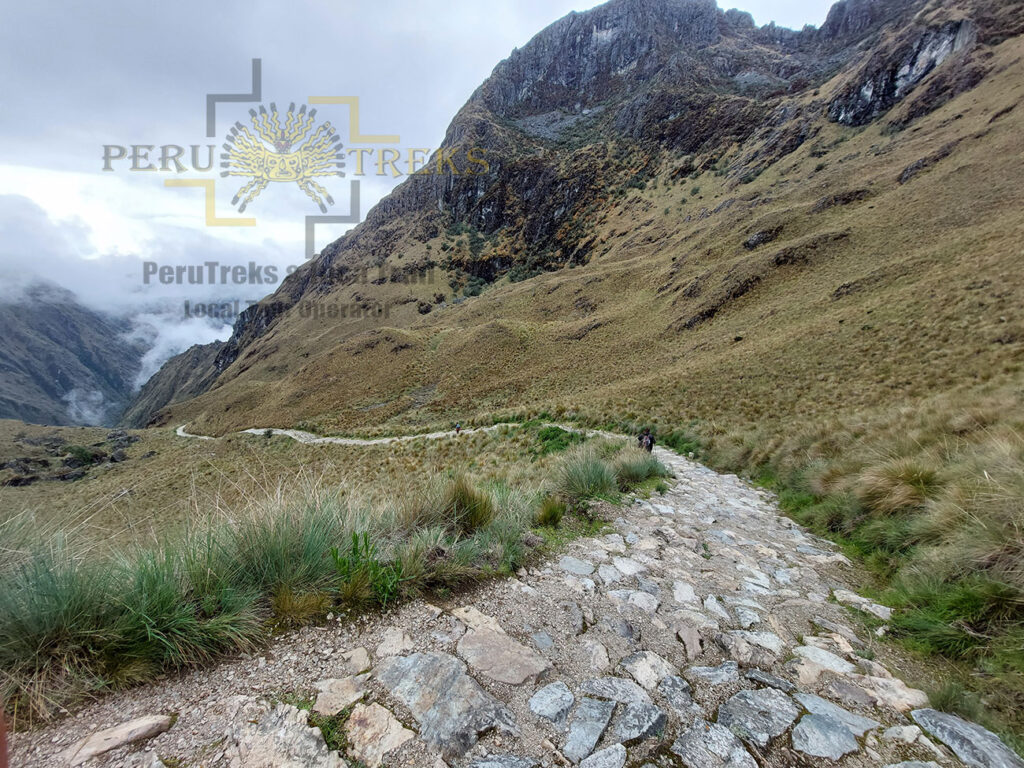
    • Walking through diverse landscapes, from lush forests to the Andes.

Best Time to Trek

Choosing the right time to trek is crucial for a safe and enjoyable experience.

  • Wet season (November to March):
    • Warm temperatures and cloudy skies.
    • The jungle forests in full bloom.
    • Generally wet and unstable trails.
  • Dry season (April to October):
    • Cool and clear, with excellent visibility for mountain views.
    • Well-defined trails with fewer leeches and bugs.
    • Peak trekking season with more trekkers on the trail.
  • Off-Season:
    • February month: Heavy rainfall, slippery trails, and landslides.
Preparation and Training

Proper preparation and training are essential for a successful trek.

  • Physical Fitness:
    • Cardiovascular exercises (running, cycling, swimming).
    • Strength training (squats, lunges, step-ups).
    • Regular hikes with a weighted backpack.
  • Acclimatization:
    • Follow the principle of «climb high, sleep low.»
    • Stay hydrated to help your body adjust to the altitude.
  • Mental Preparation:
    • Be prepared for basic living conditions and physical challenges.
    • Stay positive and focused on your goal.

Tour and Trekking Route and Itinerary

DayDestinationAltitudeDescription
1City Tour2,610mGentle walk following the Dudh Koshi River.
2Sacred Valley3,440mEnter Sagarmāthā National Park.
3Classic Inca Trail3440mExplore and adjust to altitude.
4Classic Inca Trail3860mVisit Tengboche Monastery.
5Classic Inca Trail4410mStunning views of Ama Dablam.
6Machupicchu4410mShort hikes around Dingboche.

Essential Gear and Packing List

  • Clothing:
    • Moisture-wicking base layers
    • Insulated jacket
    • Waterproof and windproof shell jacket
    • Trekking pants and shorts
    • Warm hat, gloves, and scarf
    • Sun hat and sunglasses
  • Footwear:
    • Hiking boots with ankle support
    • Warm socks
    • Sandals
  • Gear:
    • Backpack with a rain cover
    • Sleeping bag rated for cold temperatures
    • Trekking poles
    • Headlamp with extra batteries
    • Water bottles or hydration bladder
  • Accessories:
    • Sunscreen
    • Personal first aid kit
    • Water purification tablets
    • Snacks
  • Miscellaneous:
    • Travel insurance documents
    • Passport and necessary permits
    • Cash (Soles)
    • Camera or smartphone
    • Maps

Health and Safety Tips

  • Altitude Sickness:
    • Symptoms: Headache, nausea, dizziness, fatigue, shortness of breath.
    • Prevention: Ascend gradually, stay hydrated, avoid alcohol and sleeping pills.
    • Treatment: Descend immediately if symptoms worsen.
  • Hydration and Nutrition:
    • Drink plenty of water.
    • Eat a balanced diet with carbohydrates for energy.
  • Travel Insurance:
    • Ensure coverage for high-altitude trekking and emergency evacuation.
  • Local Guidelines:
    • Follow the advice of your guides and respect local regulations.

Cultural Insights and Etiquette

  • Respect Local Customs:
    • Dress modestly.
    • Ask permission before taking photos.
  • Inca Sites:
    • Don’t climb over the inca walls.
    • Don’t destroy the inca walls.
  • Interaction with Locals:
    • Learn basic Quechua phrases.
    • Be polite and friendly.

Environmental Considerations

  • Leave No Trace:
    • Pack out all trash.
    • Use biodegradable soap and toiletries.
  • Wildlife:
    • Respect wildlife and maintain a safe distance.
  • Sustainable Trekking:
    • Support eco-friendly camping and local businesses.

Frequently Asked Questions (FAQs)

Q: Do I need a guide for the full day tours and Inca trail Trek?

A: While it is possible to trek independently for the full day tours, hiring a guide is highly recommended for navigation, cultural insights, and safety support. For the Inca trail is obligatory to hire a company according the government rule.

Q: How difficult is the full day tours and the Inca Trail Trek?

A: The trek is considered moderate to challenging due to the high altitude and length. Proper preparation is key. The full day tour is easy (driving and walking)

Q: What permits are required for the trek?

A: You need a Boleto Turisco for the Full day Tours and for the Inca Trail you will need a entry permit.

Q: Can I trek the Inca Trail solo?

A: No, You must book through a company and you can go solo with a tour guide is safer and more enjoyable.

Conclusion

The Full day Tours and the Inca Trail Trek is a once-in-a-lifetime adventure that offers stunning views, cultural immersion, and a sense of accomplishment. Proper preparation and respect for the local culture and environment are essential for a safe and enjoyable trek.
Alpaca Ceremony and Blessing of Mother Earth

ceremonia-llama

While there are so many things to do and see in Cusco – Peru, some of the most treasured experiences cannot be planned for. I’ll never forget the time we were invited to participate in a Alpaca Blessing Ceremony in one of the villages outside of Ollantaytambo which is part of the sacred Valley

ceremonia alp

After breakfast, we will pick you up from your hotel and we will drive through the mountains to Patacancha community, located on the other side of the Sacred Valley, on a scenic journey through the Willoq village dotting the mountainside.

As we departed from Ollantaytambo with our small van zig-zagging up the mountain, we watched as rugged streams and sprawling green hills rolled by. After about an hour, we reached the first village, where we were introduced to several locals who were so kind and quickly became our friends in a matter of minutes.

We learned about how they live their day to day lives before continuing on another hour or so until we reached the Andean highlands.

On arrival to Patacancha we will meet the local coordinator, they will be our guide & culture interpreter. Our next destination is the Alpaca farm of one of the local families. We will take a little walk (about 20 minutes) to get to their alpaca farm. Be aware that we will be walking at over 4000 meters altitude. The hike is very gentle but it might feel difficult since the air is thin. Bring a warm coat because the wind at this altitude is cool.

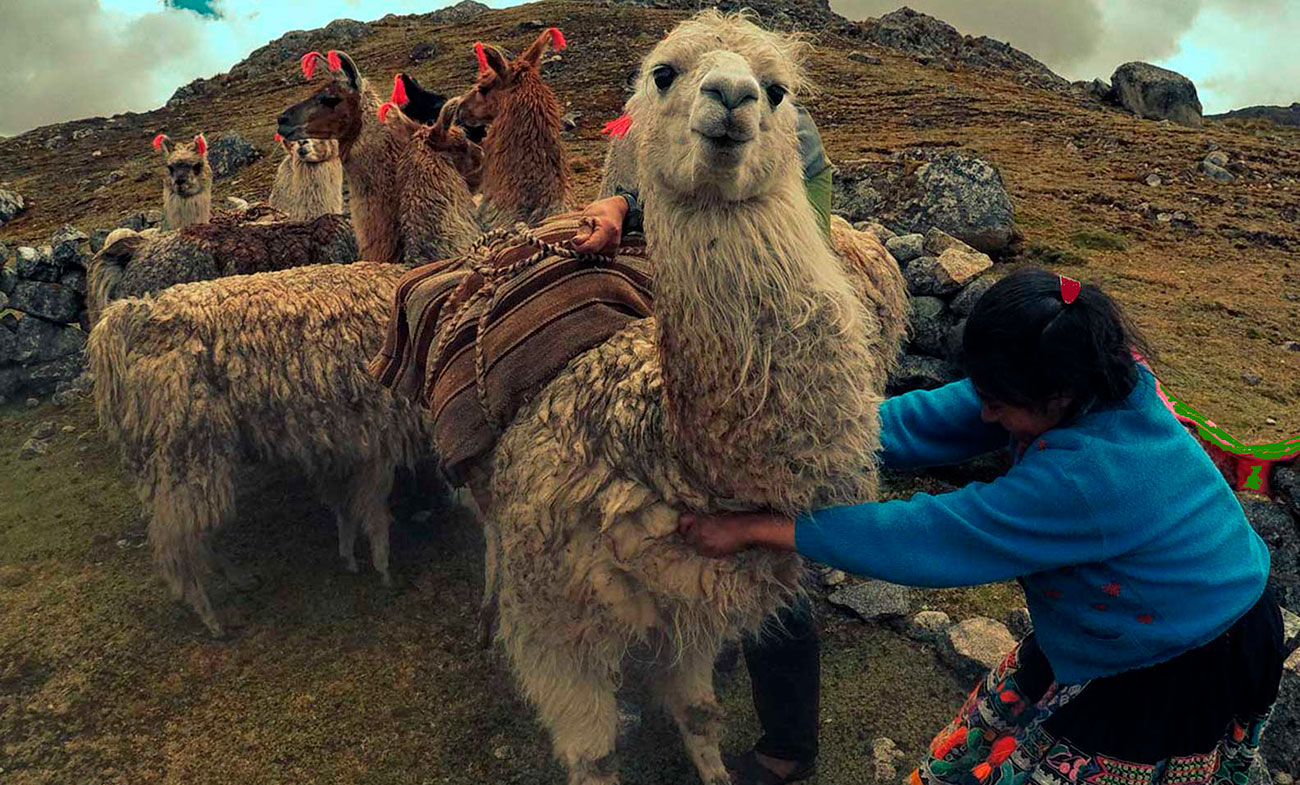
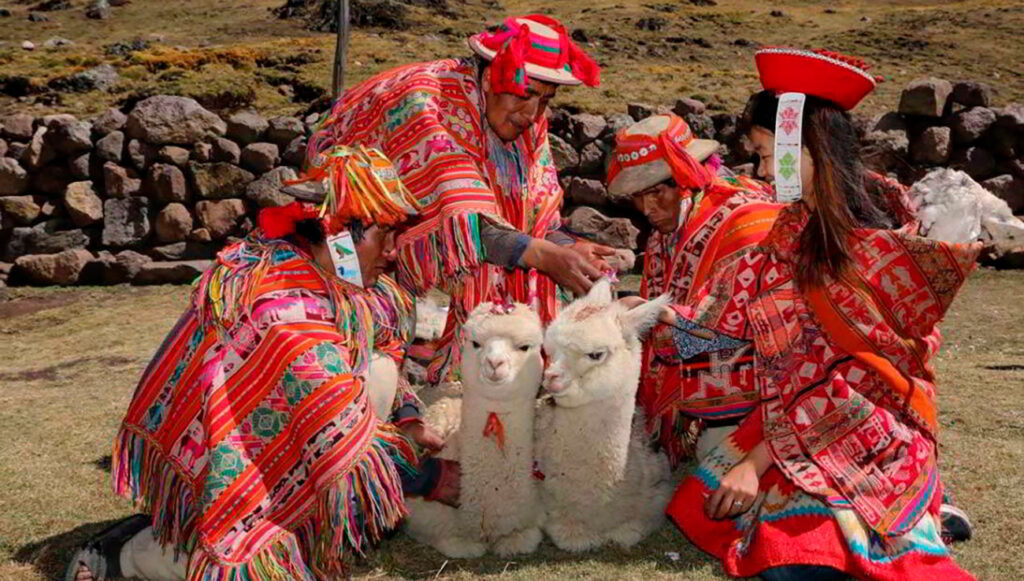
There we meet the local shepherds and learn about the alpacas, the rituals before shearing them and the importance of thanking the mountains (Apus), and mother earth (Pachamama) for providing the clothes and food from the Alpaca. This is an extremely special moment of connection with the spirituality of the Quechua people.

Our ceremony will finish at around noon and we will go back to the community to enjoy a typical Andean lunch with the local family.

This alpaca ceremony is a traditional Andean ritual, particularly high in the peruvian Andes (Cusco region), honoring alpacas and Pachamama (Mother earth) for health, prosperity and good harvests, involving blessings with flowers and chicha, offerings of coca leaves, music, dancing, and adorning the animals with colorful ribbons and dyes, highlighting the deep cultural link between Andean people, their animals, and the land. 

This is an inspiring cultural experience awaits you on this 4-day tour to Machu Picchu.  The tours starts in Cusco city to visit the marvelous Inca and Colonial architecture and then to the Sacred Valley of the Incas.

Tour the stunning Maras salt mines and then discover the world of the Patacancha Community to experience their traditional customs and ceremony of the sacred alpaca. Then tour the magical Machu Picchu of the Incas, that will touch you spiritually.

Day 1Welcome to Cusco – City Tour
Day 2Sacred Valley of the Incas – Maras Salt Mines 
Day 3Alpaca Bleesing Ceremony – Aguas Calientes 
Day 4Machu Picchu Tour – Cusco

Exploring Cusco’s Architecture and Culture on a Guided Cusco City Tours

Cusco city tours

Cusco, the historic capital of the Inca Empire, is a treasure trove of architectural marvels, rich traditions, and vibrant culture. A Cusco city tour offers the perfect opportunity to immerse yourself in the city’s fascinating past and thriving present. At Peru Treks, we specialize in crafting memorable tours that reveal the heart of Cusco’s charm.

A Journey Through Time

Every corner of Cusco tells a story. The city is a harmonious blend of Inca ingenuity and Spanish colonial grandeur. One of the must-visit sites on a Cusco city tours is the iconic Qorikancha, or the Temple of the Sun. This sacred Inca site, once adorned with gold, now houses the Church of Santo Domingo. The juxtaposition of the original Inca stonework with colonial architecture showcases Cusco’s layered history.

The tour continues to Sacsayhuamán, an impressive fortress overlooking the city. This archaeological wonder is renowned for its colossal stone walls, which fit together so precisely that not even a blade of grass can pass between them. Exploring Sacsayhuamán offers insights into the ingenuity and craftsmanship of the Inca civilization.

The Heart of Cusco: Plaza de Armas

No Cusco city tour is complete without a visit to the Plaza de Armas. This lively square is the cultural and social hub of the city. Surrounded by stunning architecture, including the Cusco Cathedral and the Church of La Compañía de Jesús, the plaza offers a glimpse into the city’s colonial heritage. Strolling through its cobblestone streets, you’ll find bustling markets, artisan shops, and charming cafes.

Discovering Local Culture

Cusco is not just about its historical landmarks; it’s also a city that proudly celebrates its traditions. A guided city tour often includes stops at local markets like San Pedro Market. Here, you can sample traditional Peruvian delicacies, shop for handmade crafts, and witness the daily lives of Cusco’s residents.

Another highlight is the bohemian neighborhood of San Blas. Known as the “artisan district,” San Blas is a haven for artists and craftsmen. Its narrow streets, whitewashed buildings, and panoramic views make it a favorite spot for visitors seeking a unique perspective of the city.

Why Choose Peru Treks for Your Cusco City Tour?

At Peru Treks, we believe in offering more than just a tour; we provide an immersive experience. Our expert guides are passionate about sharing the history, culture, and stories that make Cusco special. With a focus on personalized service, we ensure that every traveler leaves with unforgettable memories.

Whether you’re fascinated by ancient civilizations, captivated by colonial architecture, or eager to explore local traditions, a Cusco city tour with Peru Treks promises a well-rounded adventure.

Book Your Tour Today

Ready to explore Cusco’s rich heritage and vibrant culture? Visit our website at Peru Treks to book your guided city tour. Discover the essence of Cusco with us and create memories to last a lifetime!

By choosing Peru Treks, you’re not just embarking on a journey; you’re stepping into the heart of Peru’s history and culture.

Difference Between Humantay Lake & Rainbow Mountain

Difference Between Humantay Lake & Rainbow Mountain

If you want to visit my country and you’re wondering which place do you want to visit, Rainbow Mountain or Humantay Lake, you’re in luck. In this guide, we’ll explore both destinations and help you choose the one that’s right for you. From iconic views to differences between them and tips for a great visit, this guide has everything you need to know about these magical places!

Difference between Humantay Lake & Rainbow Mountain

Peru Treks

Difference between Rainbow Mountain & Humantay Lake – Weather

When it comes the weather between the Rainbow Mountain and Humantay lake are totally different.

Rainbow Mountain is much drier and can be hot during the day. It’s best to visit early in the morning or late in the afternoon to avoid the hottest parts of the day when temperatures can soar over 40 degrees Celsius (104 Fahrenheit). You can visit this place during the dry season which is from May to October

Humantay Lake stays cooler due to its higher elevation and is standing very close to the Glacier with temperatures closer to 25-30 Celsius (77-86 Fahrenheit). The terrain can also be quite muddy after a rainstorm, so plan accordingly. I recommend to visit this place in the dry season too

Humantay Lake Overview

Humantay Lake is a glacial lake located near the Salkantay Mountain in the Andes Mountains. It is famous for its turquoise blue waters and stunning views of the surrounding peaks. Visitors to Humantay Lake typically take a day hike to reach the lake, making it a relatively easy and accessible destination for outdoor enthusiasts and nature lovers and this hike takes a full day hike.

Why you should Choose Humantay Lake?

  • Completly amazing view. The turquoise, blue water set in front of the white, snow-covered mountains is like a view from a dream. It looks unbelievable and there’s not much chance you’ll see anything else like it in your existence.
  • You will hike part of Salkantay trek. After the Inca Trail the Salkantay hike is the second most popular trek to Machu Picchu. Soraypampa, the trailhead of the hike, sits in front of the imposing Humantay  
  • You will get The positive energy. the lake is surrounded by a lot of mountain deities that look as if they are almost keeping watch over it. You are going to feel their power and energy when you are on the viewpoint of the lake.
  • Peacefulness, It’s a cool feeling you are in the middle of nowhere and surrounded by huge Mountains, and hear nothing but only birds sounds.

Cons

  • It is long drive, 4 hours one way and 8 hours round trip.
  • the road to Humantay is both bumpy and windy, often with intense switchbacks to traverse the rugged mountain terrain. So the van ride might give you severe motion sickness.

Rainbow Mountain Overview

Located in the heart of Peru’s breathtaking Andes Mountains, Rainbow Mountain, or Vinicunca mountain as it is also known, stands at an altitude of 5, 034 meters above sea level and is renowned for its spectacular multicolored slopes. The mountain is made up of sedimentary rocks that were formed over millions of years ago, giving it its unique and vibrant hues. It has become a popular attraction in the region due to its extraordinary beauty and dramatic landscape.

Why you should choose Rainbow Mountain?

  • The unique mountain. There are Rainbow Mountains in Argentina, China and United states. However the one in Peru is completly different. There are not many places in our world where you can observe such a change in the colours of the earth in just one location.
  • Unparalleled landscapes. The road and hike to the summit will take you through some amazing landscapes where you will see glacier, lagooons, Rolling hills, streams, llamas and a lot of alpacas.
  • Top destination. Rainbow Mountain is the second most visited tourist attraction in all Peru. If you love to get pictures in some of the most famous world tourist attraction, then this mountain should be on your bucket list.
  • Rural Villages. It’s amazing to see how people live so far in the middle of the mountain. Along the road, you’ll see secluded communities with people wearing their typical cloths.

Cons

  • Hiking to Rainbow Mountain in the rain and snow can be more of a nightmare! Because you wont see the colors, most of the the time the mountain is covered with snow and mist.
  • On rainy season, the trail to the Rainbow Mountain turn into one big slippery mud slick. The trail becomes nearly impossible to hike. Even the most surefooted hiker will ultimately fall at some point.
  • Hiking at 5,034 meters is no joke. Travellers start feeling symptoms of altitude sickness at about 2,400 meters. Vinicunca Mountain is more than double that!. Terrible headaches and nausea are both habitual symptoms people experience hiking to Rainbow Mountain. Some people begin vomiting just on the drive up to the trailhead, before the hike to Rainbow Mountain even start.
  • Tons of people flock from Cusco to Rainbow Mountain in the many tourist vans. Expect to share the mountain with up to 4000 people per day in high season( May – August). To take the classical picture, you have to make long line.

Which one do we recommend to you?

Both tourist atractions offer unique and beautiful natural wonders, but Humantay Lake could be a better choice for those looking for an easier, more accessible experience, while Rainbow Mountain could be a better choice for those searching a more challenging adventure. Ultimately, the choice between the two, we recommend the Rainbow Moutain because you can see much better lakes but the Rainbow Mountain never.

You can check our reviews on tripadvisor or Google